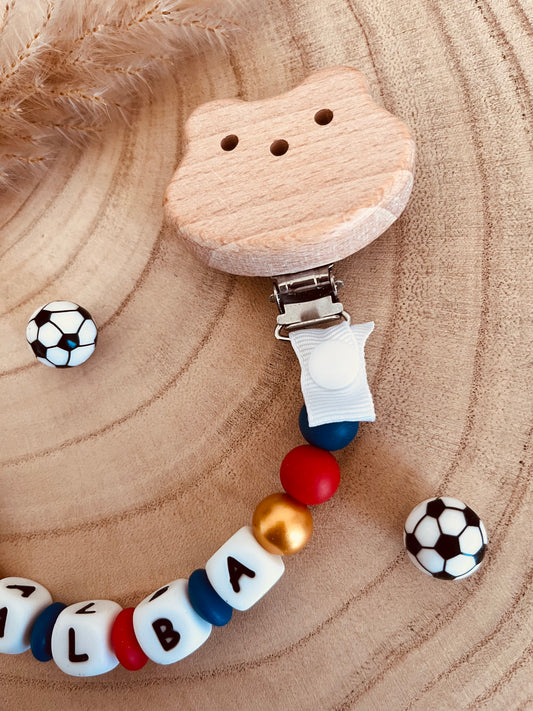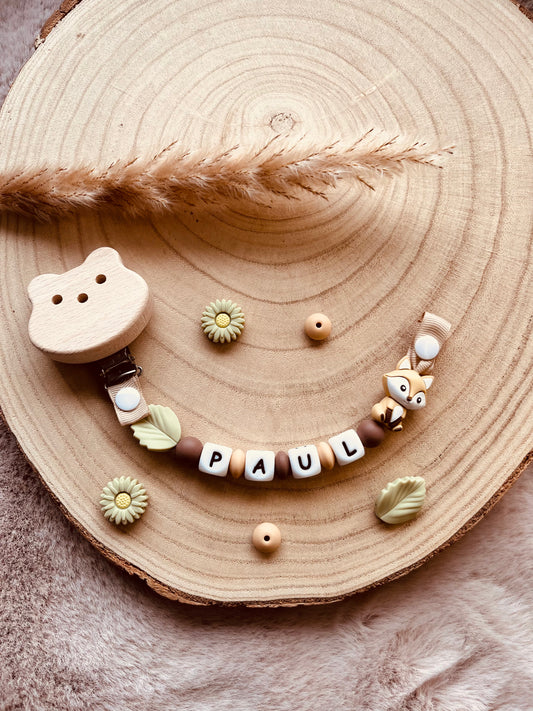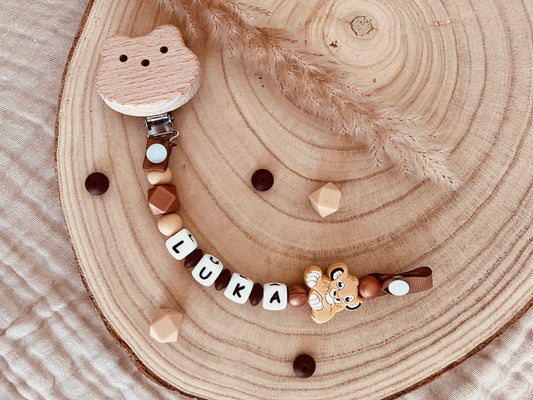

The history and evolution of nursing necklaces: a fascinating journey through time and cultures
Since the dawn of time, women all over the world have breastfed their babies, and to keep them company during this precious moment they've often worn nursing necklaces. What began as simple tools became, over the centuries, genuine pieces of jewellery, reflecting the cultures, beliefs and trends of each era. Teething rings are another lovely alternative to nursing necklaces.
1. From ancient origins to age-old traditions
Traces of the very first nursing necklaces date back to antiquity. In ancient Egypt, mothers wore necklaces of beads and amulets, believing they would protect their infants from evil spirits and keep them healthy. In African cultures, necklaces of seeds, shells and bone were used to stimulate babies' senses and soothe them during feeds.
In North America, Native American women wore necklaces made from animal bone or teeth, often decorated with feathers and beads, to symbolise strength and protection. In Asia, nursing necklaces were often made from jade or precious stones, believed to bring the baby luck and good fortune.
2. The evolution of materials and designs
In the Middle Ages, nursing necklaces in Europe were mainly made from metal or carved wood, often adorned with religious symbols. From the Renaissance onwards, the designs grew more refined, with pearls, precious stones and delicate pendants.
The arrival of plastic in the 20th century revolutionised the way nursing necklaces were made. Lighter, more hygienic materials such as silicone made it possible to create necklaces that were safer and better suited to babies' needs.
Today, the designs of nursing necklaces are endlessly varied. You'll find necklaces made from food-grade silicone, natural wood, fabric and even precious stones, in all manner of shapes, colours and functions. Some even include little sensory toys or sound elements to stimulate babies further.
3. Beyond looks: the benefits of nursing necklaces
While nursing necklaces are first and foremost loved for how they look, they also offer plenty of benefits for babies:
- Sensory stimulation: the different textures and shapes of the necklaces stimulate your baby's sense of touch and sight, supporting their cognitive and motor development.
- Easing teething pain: babies love to chew on nursing necklaces, which can help relieve the discomfort of teething.
- A sense of security: the nursing necklace becomes a familiar, reassuring point of reference for your baby, giving them a feeling of safety and comfort during feeds.
- The mother-baby bond: the nursing necklace can become something shared between mother and baby, strengthening their unique and tender connection.
4. A symbol of a mother's love
Far more than a simple accessory, the nursing necklace has become a symbol of a mother's love and of the unique bond that ties a mother to her child. It tells the story of breastfeeding practices across time and cultures, and bears witness to the ingenuity and tenderness of mothers the world over.
Conclusion
The journey of nursing necklaces through time and cultures is a fascinating tale, one that reflects the evolution of breastfeeding and the unconditional love mothers have for their children. These precious objects, now more modern and varied than ever, continue to accompany mums and their babies through this special moment of feeding, a symbol of the unique and tender bond they share.
To gift or to keep for yourself? Discover our personalised nursing necklaces — made from BPA-free food-grade silicone, a stylish accessory and a handy companion for feeds and babywearing alike. Shipped within 48 h.