
Baby Dummies: What Are the Pros and Cons?

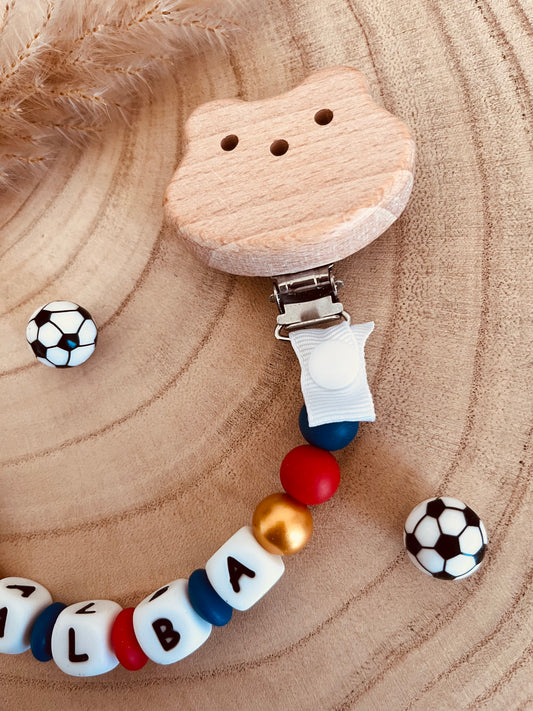
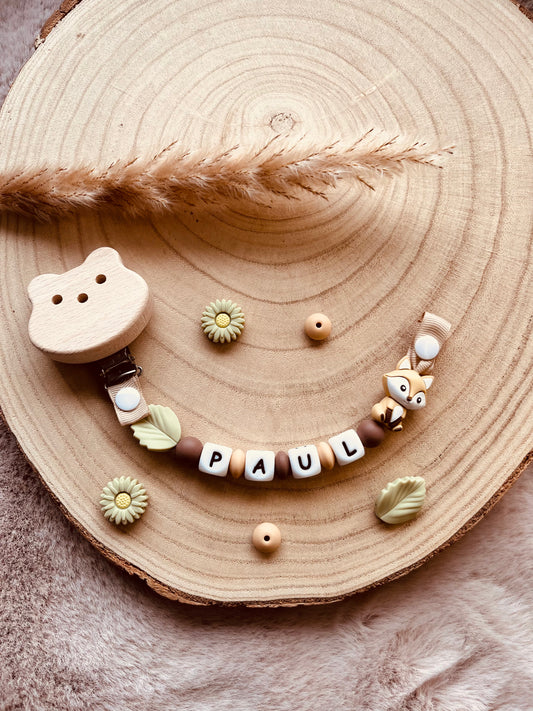
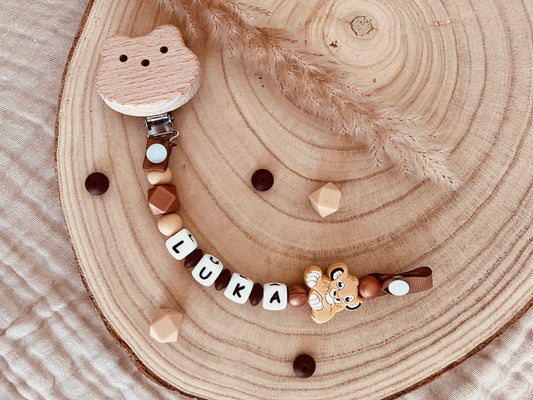
The dummy is an ever-present accessory in the lives of many babies and their parents. It often sparks lively debate about how useful it is and how it affects a child's development. In this article, we'll take a close look at the pros and cons of using a dummy for babies — and remember to never leave home without its dummy clip, so you never lose your baby's dummy!
The benefits of using a baby dummy:
- Instant comfort: one of the most obvious benefits of a dummy is how quickly it soothes. Sucking is a natural, comforting instinct for babies, often reminding them of feeding at their mother's breast. A dummy can quickly calm an unsettled or crying baby, giving parents a welcome bit of relief.
- A sleep aid: many babies use a dummy as a valuable sleep aid. It can help them drift off more quickly and sleep for longer, feeling safe and comforted. For some parents, that means more peaceful nights and more settled sleep.
- Reducing the risk of sudden infant death syndrome (SIDS): some studies suggest that using a dummy appropriately during sleep may help reduce the risk of SIDS. It's important to note this doesn't make a dummy a guarantee against SIDS, but it may play a protective role.
- A handy distraction: dummies can also be a useful distraction for babies and toddlers in all sorts of situations. Whether it's during a car journey, a doctor's appointment or a moment of frustration, a dummy can keep them settled and content.
- Possibly easier to give up than thumb-sucking: many parents find it easier to wean their child off a dummy than off their thumb. By controlling access to the dummy, parents can choose the right moment to help their child stop.
The drawbacks of using a baby dummy:
- Possible reliance: one of the main drawbacks is the risk of dependence. If a dummy is used too much, a child can come to rely on it for comfort, which can make times without it harder to manage.
- Dental issues: prolonged dummy use can affect how the teeth and jaw grow. Dental experts advise against continued use beyond the age of 2 to 4, as it can contribute to problems such as misaligned teeth, a bad bite (malocclusion) and an open bite.
- Risk of ear infections: using a dummy can increase the risk of ear infections, as the saliva that gathers on it may carry bacteria that can reach the ear as the baby sucks.
- Nipple confusion: breastfeeding experts warn that introducing a dummy too early can cause confusion between the breast and the dummy. For breastfed babies, this can make feeding trickier, as they may struggle to latch on properly.
- Hygiene: dummies can become a breeding ground for bacteria if they aren't looked after properly. It's essential to clean the dummy regularly to prevent any build-up of germs that could harm your baby's health.
- Hard to give up: weaning off the dummy can be a challenge for some children. They may become emotionally attached to it, which can make the process stressful for both child and parents.
Tips for using a dummy sensibly:
- Use it in moderation: it's best to use the dummy sparingly, saving it for moments of need such as comfort or settling down to sleep.
- Clean it regularly: to prevent any build-up of bacteria, be sure to clean the dummy regularly with warm water and mild soap.
- Wean at the right time: encourage giving up the dummy at an appropriate age to avoid prolonged use. It can help to talk through a weaning plan with a healthcare professional.
In conclusion, using a baby dummy has both benefits and drawbacks. It's important for parents to understand what dummy use involves and to make informed decisions based on their child's needs and development. Every child is different, and what works for one may not suit another. The key is to find a balance that works for both baby and parents, always keeping in mind your child's safety, dental health and overall well-being. A chat with your healthcare professional can also be really helpful in guiding your choices around dummy use.
Ready to take the plunge? Discover our personalised dummy clips with baby's name — carefully made, EN 12586 standard, shipped within 48 h.