
How to Choose the Right Teething Ring for Your Baby
The first few years of a baby's life are filled with discoveries and important developmental milestones. The arrival of the first baby teeth is one of these crucial stages. It can be an uncomfortable time for little ones, and parents often look for ways to soothe the pain and irritation it causes. That's where the baby teething ring comes in. But how do you choose the right model for your child? In this article, we'll guide you through its role, the different types available and the things to bear in mind to make the best choice for your little one.

What is a teething ring for?
Teething is a natural process in which the baby teeth push through the gums to the surface. It can cause discomfort, pain and irritation, often leaving baby grumpy and unsettled. Made from silicone, rubber or wood, the teething ring is an object that's both firm and soft, one that baby can safely chew on. It serves several purposes:
- Relieving pain: by massaging inflamed gums, it soothes the discomfort and reduces the inflammation.
- Helping the teeth come through: by chewing on the ring, baby applies pressure to the gums, which can help the teeth break through more easily.
- Stimulating and distracting: the different textures, shapes and colours stimulate touch and sight, soothe baby and help develop fine motor skills and hand-eye coordination.
Beyond the relief it brings, the teething ring is therefore a genuine sensory toy that supports baby's development through this delicate phase.
The different types of teething ring
There are several types of teething ring on the market, each with its own advantages. Here are the most common options:
- Natural rubber teething rings: soft and easy to grip, they're generally free from harmful chemicals, which makes them a reassuring option for parents who are mindful of their child's safety.
- Silicone teething rings: food-grade silicone is a BPA-free option that's soft, easy to clean and easy to care for. These rings are hard-wearing and come in a wide variety of shapes and textures to stimulate the gums.
- Wooden teething rings: made from smooth, untreated wood, natural and antibacterial, they appeal to eco-conscious parents. Check that the wood is free from chemicals and well polished to avoid splinters.
- Cooling teething rings: some models can be chilled in the fridge before you give them to baby. The cold helps numb the gums and ease the pain. Follow the manufacturer's instructions and never freeze them, as they would become too hard for delicate gums.
What to look for when choosing a teething ring
When you choose a teething ring for your baby, here are the important things to bear in mind:
- A safe material: make sure the ring is made from non-toxic materials. Look for products certified BPA-free, phthalate-free and PVC-free.
- Baby's age: the youngest, with less dexterity, will prefer lightweight, easy-to-grip models with soft textures. Older babies, who chew harder, will need sturdier models with more varied textures.
- A suitable size and shape: choose a ring large enough to avoid any risk of choking, but light enough for little hands. Round, oval or playful, the shapes should be easy to bring to the mouth.
- An appropriate texture: some textures gently massage the gums, while others offer more intense relief. Varying the textures stimulates the gums in the best possible way.
- Easy to clean: go for a ring that's easy to clean to prevent a build-up of bacteria. Most silicone and rubber models can be washed in warm, soapy water or popped in the dishwasher.
- Durability: look for hard-wearing rings that will stand up to your baby's constant chewing without breaking.
In the end, the choice comes down to your baby's preferences and your own safety priorities. It can be worth trying a few different options to find the one that suits your little one best.
A stylish and personalised accessory
Long seen as a simple, practical object, the teething ring has become a real nursery accessory — both attractive and meaningful. Several things explain this enthusiasm:
- Varied colours and shapes: gone are the plain, featureless rings. Today's models come in bright colours, playful shapes and all sorts of patterns (animals, fruit, everyday objects).
- Natural, eco-friendly materials: wood, food-grade silicone and natural materials meet parents' growing awareness of environmental issues.
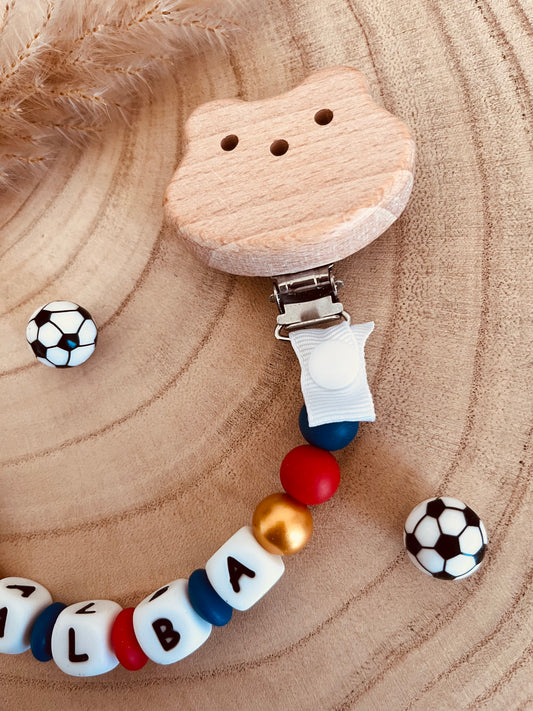
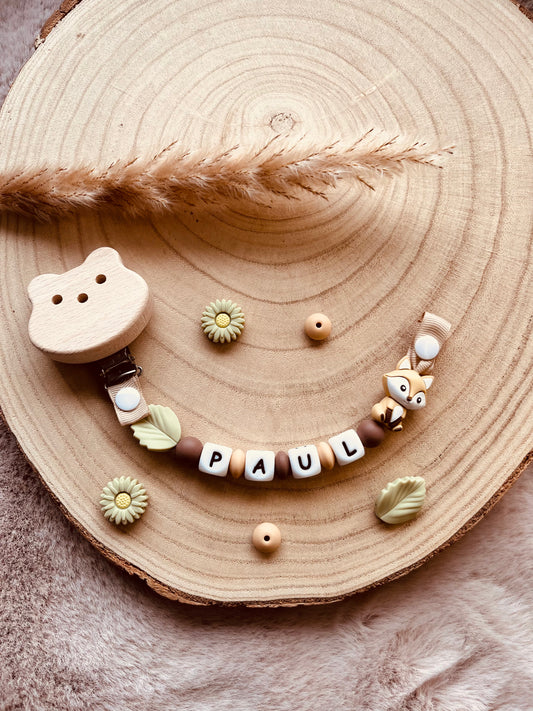
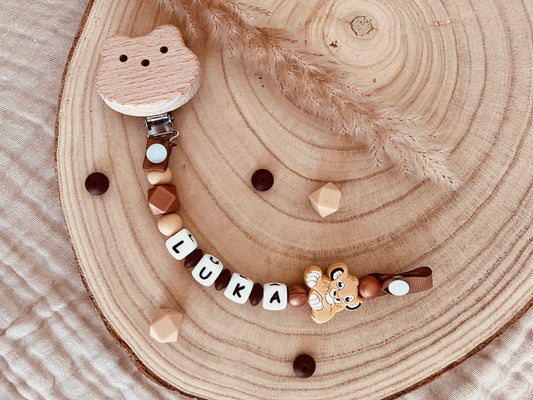
- Personalisation: at Babanono, you can add a unique touch by putting baby's name on the ring — a lovely way to mark this stage in their development and to give a personalised baby gift.
An attractive ring quickly becomes a source of comfort for baby and a little style accessory that has its rightful place in their room.
Tips for use and safety precautions
To keep the teething ring a safe companion, a few simple precautions are in order:
- Before each use, check that the ring is in good condition, with no cracks, tears or broken or loose parts.
- Clean it regularly with soapy water and store it in a clean, dry place to avoid contamination.
- Never leave your baby unsupervised with their teething ring.
- Remove the ring as soon as it shows signs of wear.
- If in doubt, don't hesitate to ask your paediatrician for advice: every child is different, and they can guide you according to your baby's specific needs.
Teething rings are invaluable accessories for soothing sore gums as the teeth come through. By choosing the right model based on the material, age, size, texture and how easy it is to clean, you help your baby get through this stage more calmly. At Babanono, we offer a carefully chosen selection of high-quality teething rings, which you'll also find in our baby gift sets. To find out more, take a look at our article on teething and baby teeth: what to do?
To help your baby through teething, discover our personalised teething rings: wood, food-grade silicone or chilled, soft and safe. Shipped within 48 h.